

Fast, Reliable Attic Insulation Across Long Beach
Attic insulation in Long Beach usually means one of two things: either a top-up on a 1960s tract home where the original fiberglass has settled to R-9, or a full removal on a 1930s bungalow in Belmont Shore where the marine layer has been wicking moisture into the batts for decades. We handle both, and we’re in Long Beach neighborhoods every week – from the alley-load bungalows off 4th Street to the stucco tract homes north of Willow. Call (877) 352-4780 and we’ll give you a straight read on what your attic actually needs.
Why Aliso Viejo Insulation Co Is Long Beach’s Preferred Attic Insulation Company
Long Beach homeowners call us because we don’t show up pushing one product. We’re authorized installers for eight manufacturers – Owens Corning, Johns Manville, Knauf, and Rockwool among them – so when we tell you your attic needs mineral wool instead of fiberglass, it’s because the building science says so, not because that’s what’s loaded on the truck. That’s the material-agnostic approach that sets us apart from single-brand contractors.
Our crews know Long Beach’s housing stock the way a local mechanic knows the quirks of a ’72 Chevy. We know that 90803 bungalows have 2×4 rafter bays that run shallow, that 90815 homes built in the ’60s often have zero baffles at the eaves, and that any attic within a mile of the water is going to have salt working on the hardware. Nate Calloway has built the company around this kind of field knowledge, and it shows in how we diagnose problems before we quote solutions.
Radiant Barrier in Long Beach
Radiant barrier in Long Beach is a misunderstood product, so let’s be clear about what it does: it’s a reflective foil layer installed under the roof deck that blocks radiant heat from the sun-baked roofing material. Long Beach attics with low-slope roofs – which is most of the pre-1970s stock – absorb serious heat even on mild days, and a radiant barrier can drop attic temperatures 20 to 30 degrees in the summer. A typical radiant barrier installation for a 1,200-square-foot Long Beach home runs $900 to $1,800, depending on roof geometry and whether we’re working around existing ductwork.
When It Makes Sense
Radiant barrier pairs best with an insulation upgrade, not as a standalone. If your attic currently has settled R-11 fiberglass and you’re adding blown-in cellulose to get to R-38, the radiant barrier goes in first and makes every inch of insulation work more efficiently. Homes in 90814 and 90804 with flat or low-slope roofs see the biggest payoff.
What Installation Involves
We staple the foil to the underside of the rafters, maintaining an air gap that’s critical to the reflectivity. In tight Long Beach attics with 4/12 pitches or lower, our crew works from kneeboards and carefully navigates around existing wiring. The job typically takes half a day.
Attic Cleaning Services in Long Beach
Attic cleaning services in Long Beach are frequently the first step in an insulation job, and honestly, half the time the homeowner doesn’t know how bad it is until we open the hatch. Rodents, raccoons, and decades of dust accumulate in attics across Long Beach, but the bigger issue here is salt-laden air and marine-layer moisture creating conditions where old insulation holds dampness against the roof deck. A full attic cleaning – removal of old insulation, vacuuming of debris, sanitation, and rodent remediation prep – typically runs $1,200 to $2,500 in Long Beach depending on square footage and contamination level.
Decontamination and Prep
We use commercial HEPA vacuums and apply a hospital-grade sanitizer before any new insulation goes in. This matters more in Long Beach than inland, because you’re not just cleaning – you’re resetting the moisture profile of the space. Skipping this step means trapping existing dampness under new insulation.
Cleaning Before Insulation Replacement
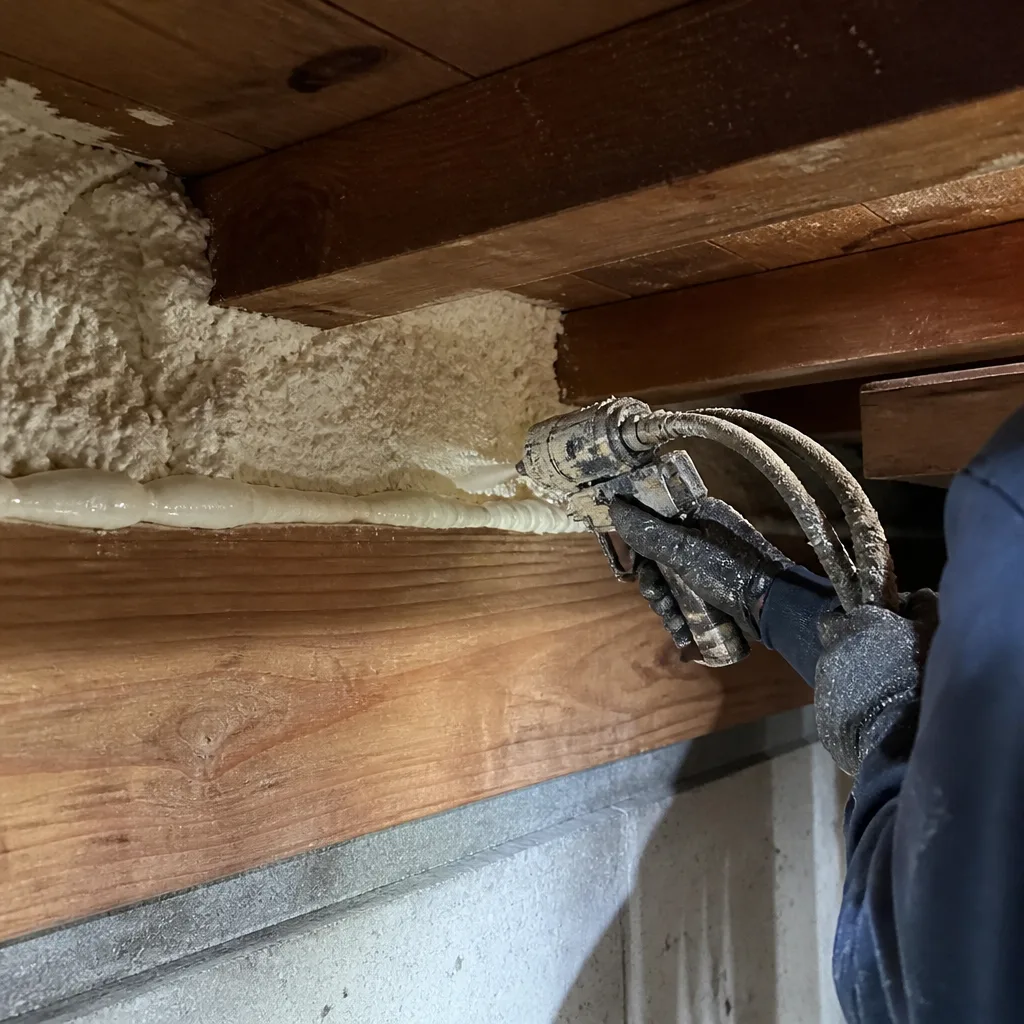
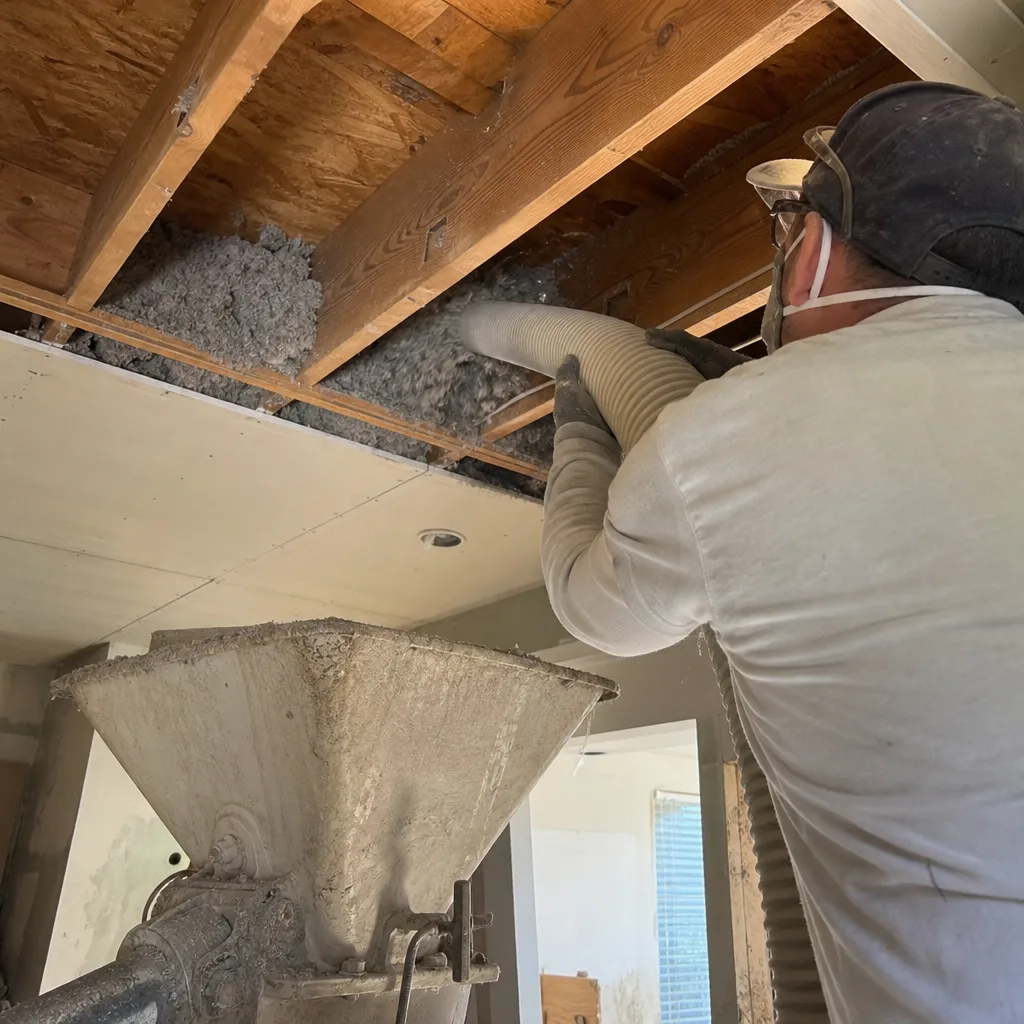
When we’re replacing old batts in a 1940s home near Retro Row or Rose Park, cleaning is not optional. The existing insulation has to come out completely, the cavity inspected for knob-and-tube wiring or roof leaks, and only then do we install the new system. We’ll tell you honestly if your attic just needs a cleaning and top-up rather than full replacement.
What happens when you call
- 1
A real person answersNo phone trees — you reach a local pro.
- 2
You get an upfront price rangeHonest numbers before anyone is dispatched.
- 3
A background-checked tech heads outLicensed & insured, dispatched right away.
- 4
You approve before work beginsNothing starts until you say go.
Trusted Brands We Service in Long Beach
We install and service insulation from eight manufacturers, which means Long Beach customers get a real recommendation instead of a sales pitch. Need rock wool batts with fire resistance for a 90802 duplex near downtown that shares a wall with an ADU? We stock Rockwool. Prefer a high-density blown cellulose in a 1950s tract home in the 90805 corridor? GreenFiber is on our truck. Want spray foam with the right open-cell chemistry for a coastal attic that deals with daily fog? We’re authorized for Icynene and Demilec. We carry local inventory for most common sizes, so turnaround for Long Beach jobs is fast – usually no more than a few days from estimate to installation.
Common Attic Insulation Problems We See in Long Beach Homes
- Settled and compressed batts from marine-layer moisture. The coastal fog belt keeps attics damp for much of the year, and fiberglass batts that were installed in the 1960s and 70s have often slumped to half their original R-value. We see R-19 batts performing at R-9 all the time in Long Beach attics, especially near the eaves where air leaks compound the problem.
- Salt-air corrosion on attic hardware and degraded insulation. Homes within a mile of the water – particularly in 90803, 90802, and parts of Naples – get salt working on nails, junction boxes, and any metal strapping. The insulation itself often takes on a gray, tired look and loses its loft. That’s degradation, not just age.
- Rodent damage in original 1920s – 40s attics. The older bungalows in Belmont Shore and Alamitos Beach have generous eave gaps and older construction that invites rats and squirrels. Chewed wire sheathing, tunnels through batts, and urine-stained insulation are regular sightings. Full removal and sanitation is the only correct fix.
- Blow-over jobs done wrong on original insulation. Some contractors will blow new cellulose right over damp, settled 1930s insulation, trapping moisture against the roof deck and making the mold problem worse. In Long Beach’s marine climate, this shortcut fails fast. If the original material is damp or compressed, it comes out first.
Pricing for Attic Insulation in Long Beach, CA
Here are honest numbers for the Long Beach market. A basic attic insulation top-up with blown cellulose in a 1,000-square-foot attic runs $1,100 to $1,800. Full removal and replacement with fiberglass batts or mineral wool in an older 90803 bungalow typically lands between $2,500 and $4,200, depending on access and contamination. Radiant barrier adds $900 to $1,800. Attic cleaning as a standalone service runs $1,200 to $2,500. Spray foam in a Long Beach attic ranges from $3,500 to $7,000 for a full open-cell application. The factors that move the needle: attic access, roof pitch, existing ventilation, and whether knob-and-tube wiring is present. Call (877) 352-4780 for a free estimate – we’ll give you a written number, not a range that drifts after the first visit.
We Also Serve Cities Near Long Beach
Beyond Long Beach proper, our Attic Insulation crews work regularly in Signal Hill, Lakewood, Carson, and West Carson. If you’re in any of these communities and dealing with settled insulation or a damp attic, the same material-agnostic approach applies. Read more about our Attic Insulation services or see how we serve Long Beach specifically.
Serving Long Beach, CA — Our Local Coverage Area
We’re based in the Long Beach area and know this community well. Use the map below to see our service coverage — if you’re nearby, we can almost certainly help.
FAQs About Attic Insulation in Long Beach
Because the original 1920s – 40s batts in these attics have been wicking moisture from the marine layer for decades, and once they’re saturated, settled, or rodent-damaged, no amount of new insulation on top will fix the underlying dampness. Full removal is the only way to reset the attic’s moisture profile and give new material a clean start.
The coastal fog keeps attics damp for most of the year, which reduces the effective R-value of fiberglass and creates conditions for mold and mildew. Vapor management matters as much as insulation choice here. That’s why we often specify mineral wool or closed-cell foam near the coast instead of standard fiberglass. Call (877) 352-4780 if your attic feels humid even on dry days.
Yes, and it’s routine for us. Most of the pre-1950 homes in Long Beach load from the alley, with narrow side yards and sometimes no driveway access. Our crews work from the attic hatch interior, so alley access rarely complicates the job itself. We bring materials through the house carefully, and we’re used to tight stairwells and small hallways in older Long Beach homes. If you’re in an alley-load property in Belmont Shore or Rose Park, give us a call – we’ve done hundreds.
First, don’t let anyone blow insulation over it without addressing the wiring. Knob-and-tube needs to be assessed, and in many cases abandoned or replaced before insulation goes in, because covering live K&T with insulation traps heat and creates a fire hazard. We work with local electricians on this regularly. If you have knob-and-tube in a 90802 or 90815 home, call (877) 352-4780 and we’ll help you sequence the project correctly.
Yes, radiant barrier is effective in Long Beach, because it doesn’t depend on extreme heat to work – it reflects radiant heat, and Long Beach roofs still absorb plenty of it even when the air temperature is only 75 degrees. In low-slope roof homes in 90804 and 90814, a radiant barrier can reduce attic temperatures by 20 degrees or more, which means less heat radiating down into living spaces.
If your Long Beach attic has old, settled, or damp insulation – or if you’re not sure what’s up there – call us at (877) 352-4780 for a free estimate. We’ll tell you honestly what you need, whether that’s a top-up, a full removal, or just a cleaning. Nate Calloway and the Aliso Viejo Insulation Co team have been diagnosing coastal attics long enough to know what works and what doesn’t in Long Beach specifically.
Written by Nate Calloway, Owner at Aliso Viejo Insulation Co, serving Long Beach and surrounding communities.