
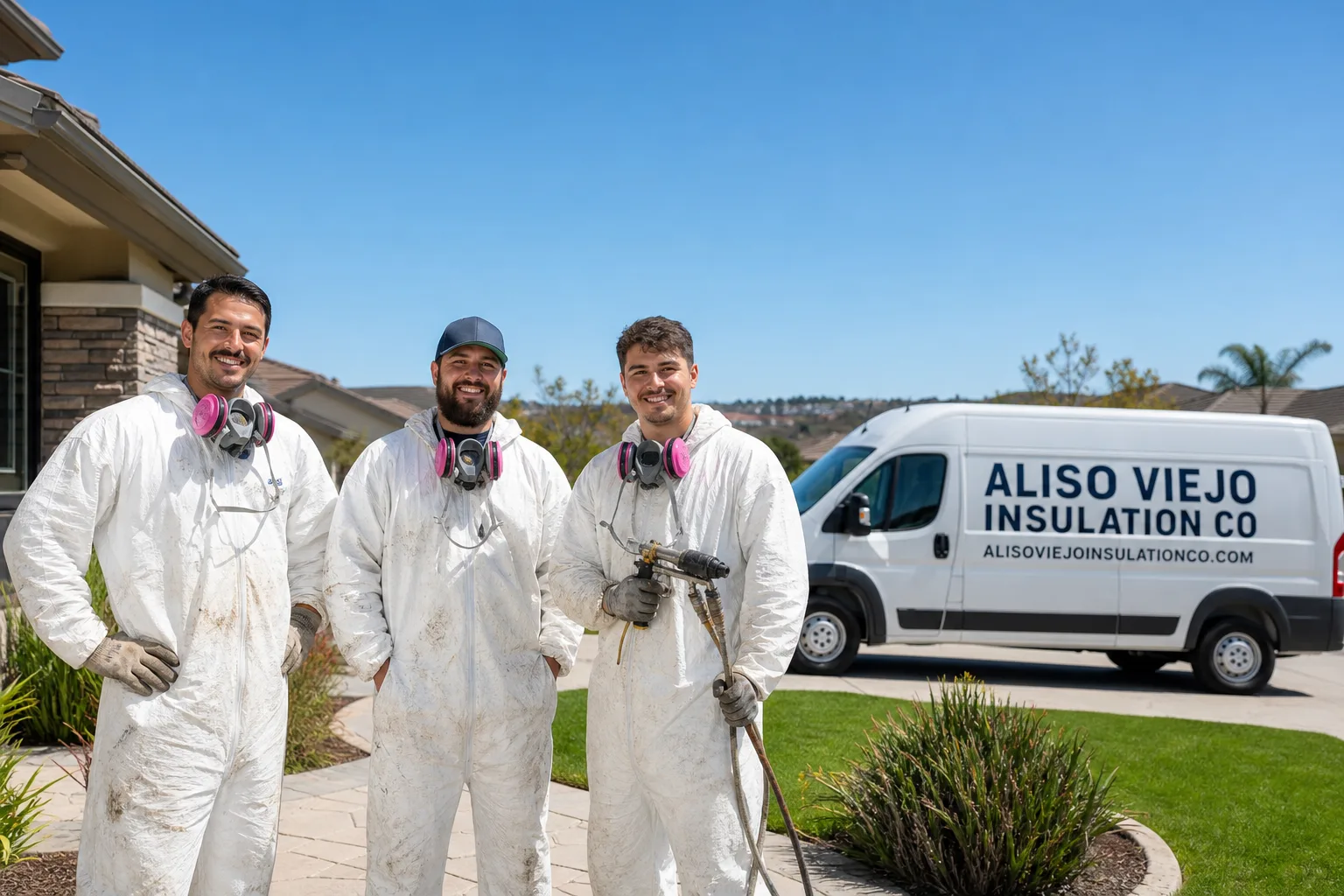
Fast, Reliable Attic Insulation Across Walnut
Attic insulation in Walnut, CA runs between $1,800 and $5,400 for a full upgrade on a typical 1,500 – 2,000 sq ft home, with radiant barriers adding another $1,200 – $2,800 depending on attic size and roof pitch. Most Walnut projects take one to two days and many finish same day when it’s an insulation top-up rather than a full removal and replacement. We’ve worked attics throughout the 91788, 91789, and 91795 zip codes long enough to know how hillside heat behaves differently up here than it does ten miles south. Call (877) 352-4780 and we’ll give you a straight answer and a free estimate.
Why Aliso Viejo Insulation Co Is Walnut’s Preferred Attic Insulation Company
Most insulation contractors show up locked into one brand and build the recommendation around whatever is on the truck that week. We don’t work that way. As Walnut’s local specialist for Attic Insulation, we source from eight manufacturers and let the house tell us what it needs. Walnut’s mix of 1960s ranch homes and newer hillside custom builds means the right answer in one neighborhood is often wrong for the next one over. We’ve handled enough west-facing attics off Amar Road and along the hillside streets near Walnut High School to know exactly what heat stress does to insulation up here. Nate Calloway leads our team, and he’s built our reputation in Walnut on matching materials to building science, not to inventory.
Our slogan works because it’s true: Eight manufacturer brands, one objective recommendation. That means when a Walnut homeowner calls us about a sweltering second floor in July, we diagnose before we prescribe. Spray foam, blown-in, or attic batts – we install all three because not every home needs the same answer.
Radiant Barrier in Walnut
Radiant Barrier work in Walnut addresses a problem most coastal LA contractors never see: attic cavities that routinely exceed 140°F on west-facing hillside slopes by late afternoon, which heat-cycles staple-up foil until it separates from the roof deck. The job involves removing failed or sagging radiant barrier, inspecting what lies beneath, and installing a new perforated radiant barrier that reflects heat before it soaks into your insulation and ceiling drywall — similar to how Reflectix repair in Walnut addresses heat-cycling damage on west-facing slopes. A Walnut homeowner needs this when the upstairs runs 8 – 10°F warmer than the downstairs on summer afternoons, or when the AC cycles constantly yet the house never quite cools down. Expect $1,200 – $2,800 for most attic sizes here.
Heat Cycling Failure
The west-facing tracts in Walnut take direct afternoon sun, and repeated expansion and contraction breaks down the adhesive and staple points on original radiant barrier from the 1980s and 90s. Once the foil peels and gaps open, it stops reflecting and starts trapping heat against the insulation below it.
Breathable Perforated Radiant Barrier
We install radiant barrier with a perforated surface so moisture doesn’t condense between the barrier and the roof deck. That detail matters in Walnut where hot dry days are followed by cooler nights, and non-perforated barrier can sweat.
Attic Cleaning Services in Walnut
Attic Cleaning Services in Walnut matter more than homeowners expect because aging builder-grade fiberglass in older homes absorbs dust, rodent debris, and moisture, which turns it into something that no longer insulates well and actively holds allergens against your living space. The job involves removing contaminated or degraded insulation, vacuuming the attic floor and joist bays, sanitizing where needed, and installing fresh material suited to your home’s exposure and budget. You need this if your 1960s – 1980s home hasn’t had its attic touched since it was built, or if you notice puffy fiberglass that’s gone brown and matted. Most Walnut attic cleanouts run $1,500 – $3,300 depending on square footage and how much contaminated material has to be removed.
Dust and Allergen Load
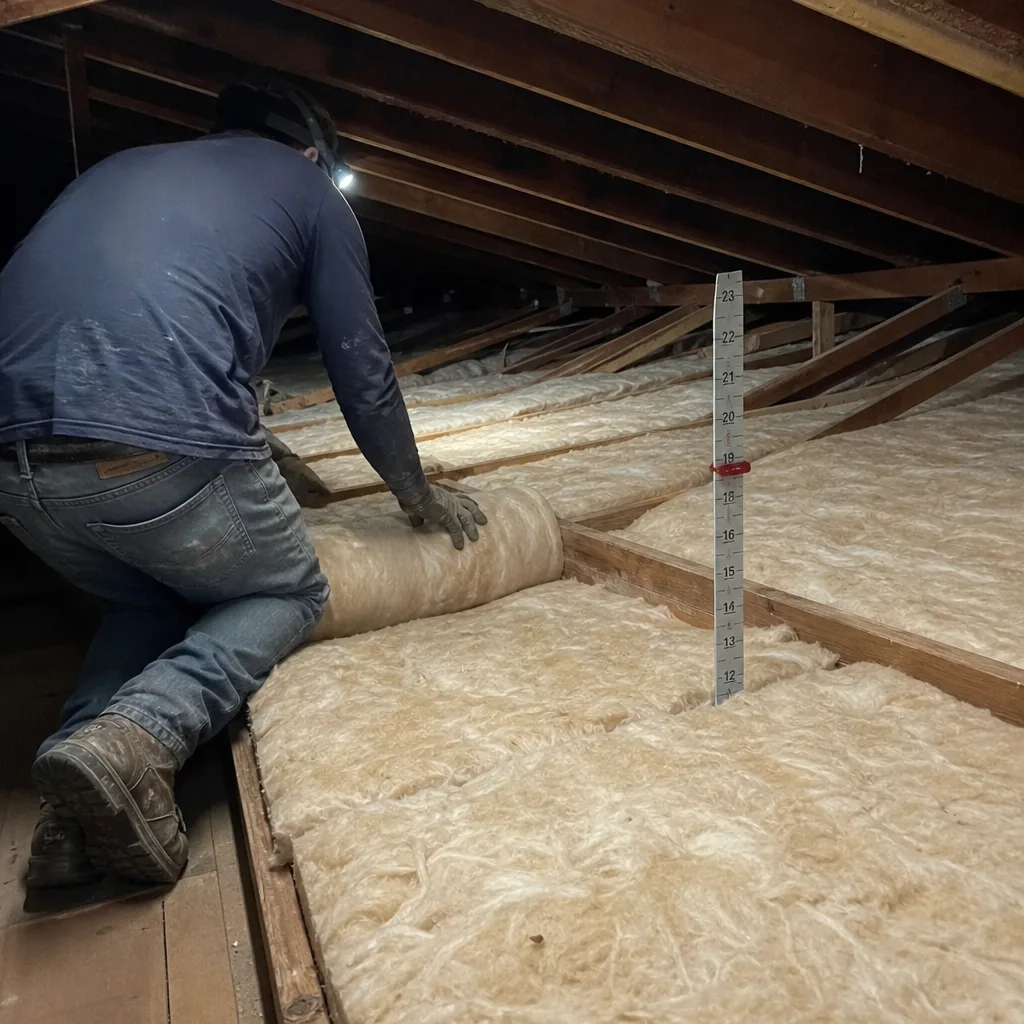
Older Walnut attics collect a surprising amount of fine dust in fiberglass batts over decades, and once the material compresses, that dust sits in the airstream whenever your HVAC runs. Cleaning it out and replacing with fresh blown-in cellulose or fiberglass often improves indoor air quality noticeably within a week.
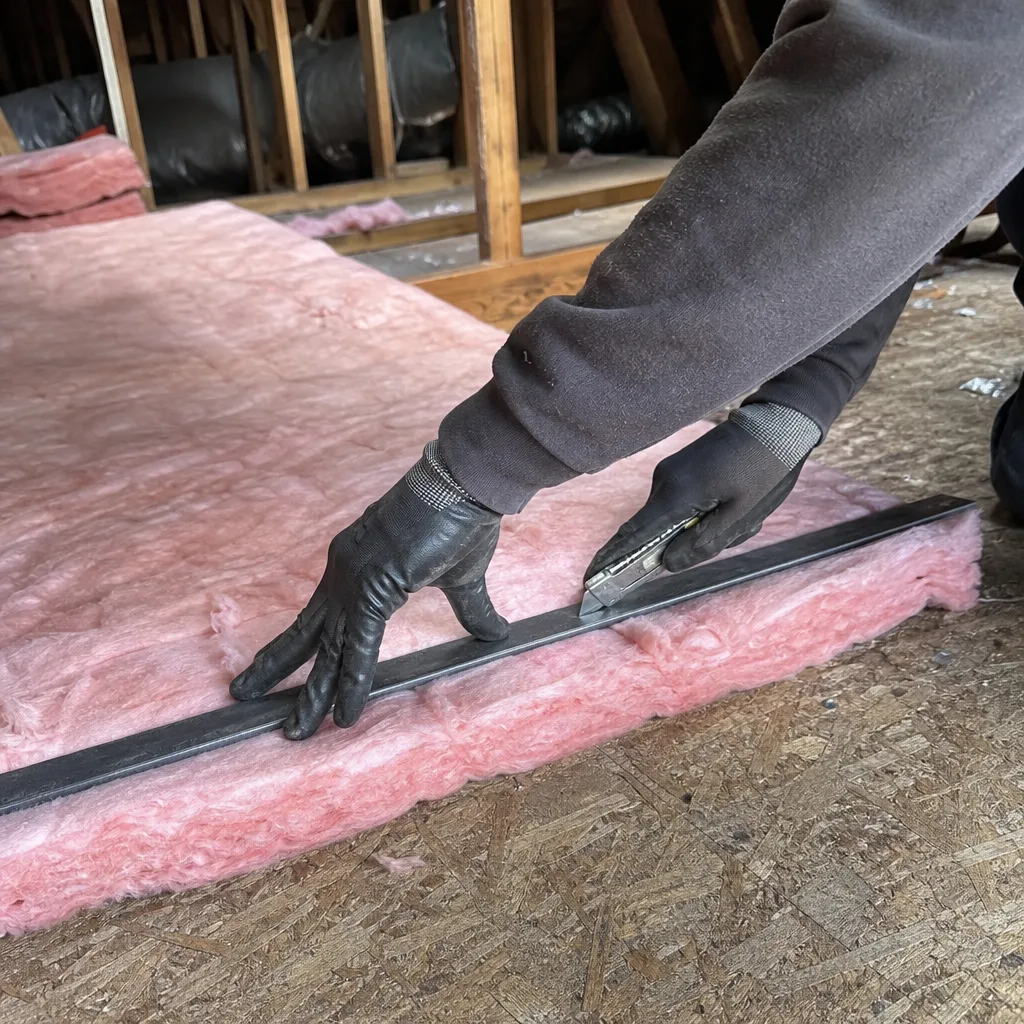
Ventilation Prep
We clear clogged soffit vents and inspect baffles during every cleaning because Walnut’s heat is punishing enough without restricted airflow. A clean attic with working ventilation is the difference between 125°F and 145°F up there in August.
What happens when you call
- 1
A real person answersNo phone trees — you reach a local pro.
- 2
You get an upfront price rangeHonest numbers before anyone is dispatched.
- 3
A background-checked tech heads outLicensed & insured, dispatched right away.
- 4
You approve before work beginsNothing starts until you say go.
Trusted Brands We Service in Walnut
Walnut homeowners ask us all the time whether we’re tied to one manufacturer, and the answer is no. We’re authorized to install Owens Corning, Johns Manville, Knauf, and GreenFiber among our eight-brand roster, and we stock parts and replacement material for quick turnaround when a Walnut project needs to move fast. If you already have Knauf batts in one section and want them matched, we can do that. If GreenFiber’s recycled cellulose fits your eco-priorities and budget better than fiberglass, we’ll tell you that too. Access to the full spectrum means you get an honest recommendation built around your home’s conditions.
Common Attic Insulation Problems We See in Walnut Homes
- Compressed original R-11 batts. 1960s and 1970s ranch homes in Walnut were often built with R-11 fiberglass that’s now settled to under 2 inches in many spots. Once it compresses, the trapped air pockets that do the actual insulating are gone, and your ceiling becomes a heat sponge.
- Failed staple-up radiant barrier. West-facing hillside attics cycle through 140°F+ temperatures every summer afternoon, which causes the staples and adhesive on original radiant barrier to fail. We find foil sagging and separating in most Walnut attics over 30 years old.
- Dust-laden builder-grade fiberglass. Older Walnut homes with decades-old insulation often have matted, brown fiberglass that’s absorbed dust, moisture, and sometimes pest debris. This reduces R-value to near zero and pushes allergens into the living space below.
- Blocked soffit vents and missing baffles. Many Walnut tract homes from the 1980s have soffit vents clogged with dust or insulation that was blown in without baffles. Without airflow, the attic superheats and any insulation you have works against the heat buildup instead of managing it.
Pricing for Attic Insulation in Walnut, CA
Here’s what we quote in Walnut right now. A full attic insulation replacement with blow-in for a 1,500 sq ft attic runs $2,100 – $3,900. Attic batt insulation for exposed joist bays typically lands at $1,800 – $3,200. Top-ups over existing insulation run $900 – $1,800 depending on current depth and target R-value. Attic cleaning with new insulation combined runs $2,500 – $4,800. Radiant barrier installation adds $1,200 – $2,800. What moves the number: how much old material has to come out, whether baffles and ventilation need work, and attic accessibility. Call (877) 352-4780 for a written quote – estimates are always free and we show up when we say we will.
We Also Serve Cities Near Walnut
Beyond Walnut, we handle attic insulation in Attic Insulation in Walnut and the surrounding communities: South San Jose Hills, Rowland Heights, West Covina, and Pomona. Each has its own housing stock and heat profile, so we adjust our recommendations accordingly. If you’re a few minutes outside Walnut, we still want to help.
Serving Walnut, CA — Our Local Coverage Area
We’re based in the Walnut area and know this community well. Use the map below to see our service coverage — if you’re nearby, we can almost certainly help.
FAQs About Attic Insulation in Walnut
Walnut sits against the Puente Hills on the warm inland edge of the valley, and west-facing slopes take direct late-afternoon sun for hours when the air temperature is already at peak. That sustained exposure pushes attic cavities to 140°F and beyond – noticeably hotter than flatter or east-facing tracts nearby.
Almost certainly not. Original R-11 fiberglass from the 1970s has typically settled and compressed to a fraction of its original thickness, which destroys its insulating ability. In most Walnut ranch homes of that era we test, effective R-value is under R-5. Call (877) 352-4780 for an attic inspection and we’ll show you exactly what’s up there.
A radiant barrier reflects heat before it enters the attic, while blown-in insulation slows heat that’s already inside. In Walnut’s hot inland climate, west-facing homes benefit most from both: a radiant barrier to reject solar gain and R-38+ blown-in insulation to handle what heat still gets through. They solve different parts of the same problem.
Every 3 to 5 years, especially after the first 100°F heat wave of summer. Walnut’s heat cycles stress radiant barrier staples and compress fiberglass faster than coastal climates, so issues show up sooner. We’ve found failed barriers and settled batts in homes that were inspected less than two years prior.
Yes. We’re authorized installers for Owens Corning, Johns Manville, Knauf, GreenFiber, and others, so matching existing material is straightforward. More important than brand matching is matching R-value and moisture behavior to your attic’s conditions, which is where our material-agnostic approach helps. Call (877) 352-4780 to talk through what makes sense for your Walnut home.
Written by Nate Calloway, Owner at Aliso Viejo Insulation Co, serving Walnut and the San Gabriel Valley.