
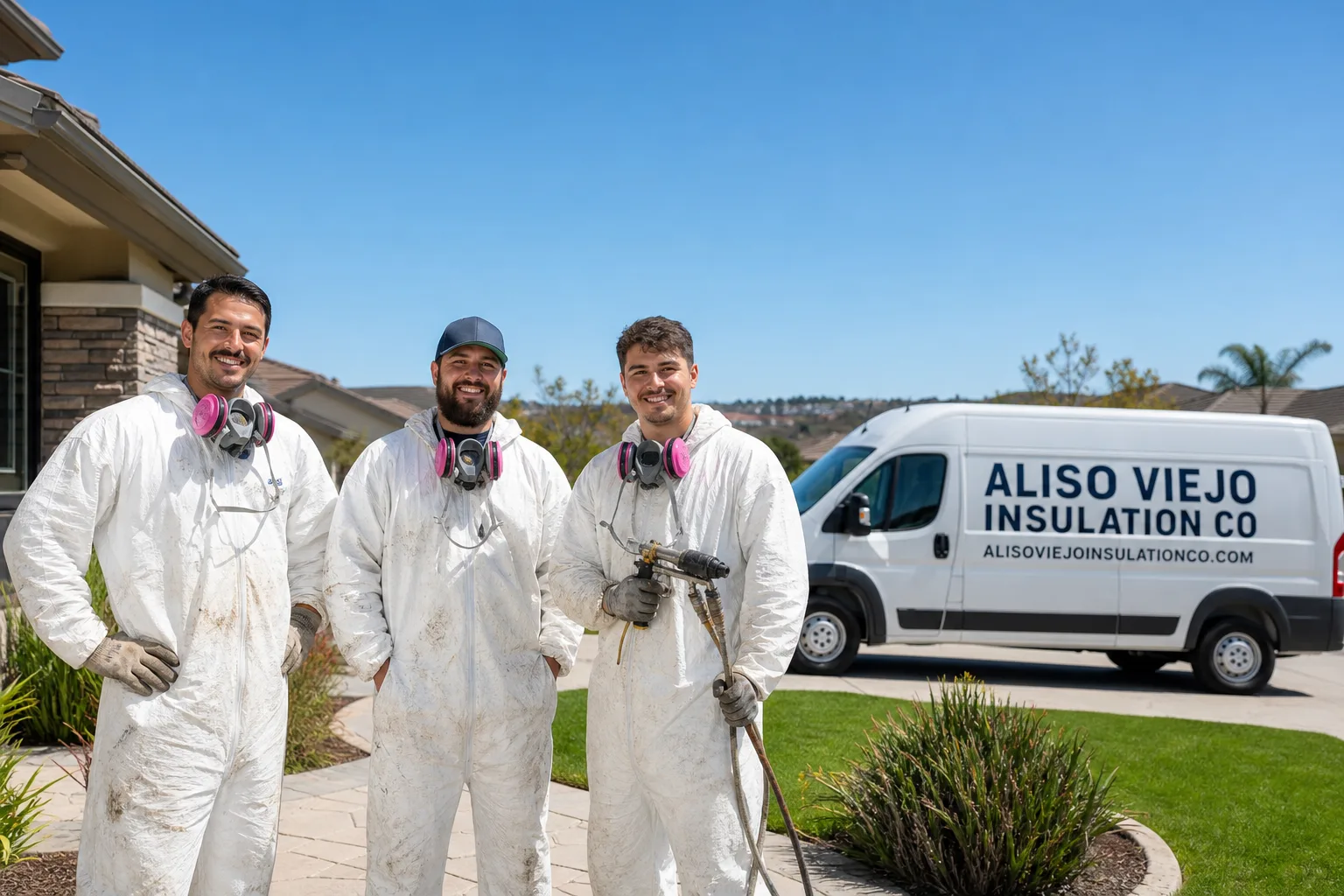
Attic Insulation in San Joaquin Hills: What It Costs and Why It Matters Here
Attic insulation in San Joaquin Hills typically costs $1,800 to $4,600 for a full replacement in the average 2,400-square-foot hillside home, with top-ups running $900 to $1,800. Radiant barrier installation lands between $1,500 and $3,200 depending on roofline complexity, and attic cleaning services run $350 to $750 for most San Joaquin Hills properties. The work is usually completed in a single day. If your energy bills climb every summer and your upstairs rooms never hold temperature, the attic is almost always where the problem starts.
Call Nate Calloway and the team at Attic Insulation specialists Aliso Viejo Insulation Co at (877) 352-4780 for a free estimate. We know these hillside homes, their HOA constraints, and the canyon wind patterns that make insulation here a different job than anywhere else in Orange County.
Fast, Reliable Attic Insulation Across San Joaquin Hills
We work throughout San Joaquin Hills, from Crystal Cove and the ridge-line estates off Newport Coast Drive to the gated enclaves near Shady Canyon. Most appointments are scheduled within three to five business days, and we keep our trucks stocked with materials suited to the local housing stock, which means we rarely need a second trip for custom Mediterranean trusses or vaulted ceiling work. You’ll speak with someone who understands the difference between a 1990s Crystal Cove original and a 2015 contemporary custom build, because that difference changes the insulation approach entirely. Call us at (877) 352-4780 and we’ll put a time on the calendar that works for you.
Why Aliso Viejo Insulation Co Is San Joaquin Hills’s Preferred Attic Insulation Company
Homeowners across San Joaquin Hills keep calling us back because we diagnose before we recommend. Our crew has walked dozens of attics in this community, and we know the failure patterns specific to this terrain: wind-driven dust in Crystal Cove batts, blocked soffit vents in vaulted Mediterranean ceilings, and detached garages that leak conditioned air through their own uninsulated attic spaces. We do not show up with a truck full of one product and try to make it fit. We show up, look at the structure, check the ventilation, and then recommend from eight manufacturer brands.
Our reputation in San Joaquin Hills is built on the jobs where we found what other contractors missed. Nate Calloway has built this company around the principle that the right material for one house is the wrong material for the one next door. That is why we stock Owens Corning fiberglass, Rockwool mineral wool, GreenFiber cellulose, and Icynene and Demilec spray foam systems. The recommendation comes from the attic, not from inventory.
Radiant Barrier in San Joaquin Hills
Radiant Barrier in San Joaquin Hills is one of the most effective upgrades for homes along the canyon ridges, where afternoon sun pounds the roofline for hours and attic temperatures climb past 140°F in August. A radiant barrier works by reflecting radiant heat before it can soak into insulation and radiate down into living spaces. In a single-story ranch off Bonita Canyon Drive, we often see attic temps drop 20 to 30 degrees after installation, which means the air conditioner does not fight a losing battle every afternoon.
Reflective Foil Installation for Ridge-Exposed Homes
Homes on the east-facing slopes of San Joaquin Hills catch direct sun from late morning through sunset. We attach radiant barrier to the underside of the roof deck, leaving the existing insulation in place. The material reflects heat back toward the roof surface, reducing the heat load that reaches the insulation below. For ridge-exposed homes, this is frequently the single highest-impact upgrade we can make.
Radiant Barrier with Existing Batt Insulation
If your attic has fiberglass batts that are in decent condition, adding radiant barrier costs less than a full re-insulation and solves the specific problem of radiant heat gain. In San Joaquin Hills, a typical radiant barrier installation runs $1,500 to $3,200. Homes with complex rooflines, multiple dormers, or cathedral ceilings land at the higher end because of the additional cutting and stapling work.
Attic Cleaning Services in San Joaquin Hills
Attic Cleaning Services in San Joaquin Hills address a problem we see constantly here: years of wind-blown dust and fine debris settling into insulation, reducing its effectiveness and clogging vent channels. The canyon winds that sweep through Crystal Cove and the ridges near Shady Canyon push dust through roof vents and gaps in the eaves. Over a decade, that dust builds up, compresses insulation, and creates a layer of grime that holds moisture from the marine layer. A full cleaning typically costs $350 to $750 for a standard San Joaquin Hills home.
Rodent and Pest Debris Removal
Attics in this area attract roof rats, especially in the older Crystal Cove sections with mature landscaping. When rodents nest in insulation, the material becomes a health hazard and a smell problem that drifts into living spaces. We remove contaminated insulation, sanitize the attic floor, and install fresh material.
Air Seal Preparation After Cleaning
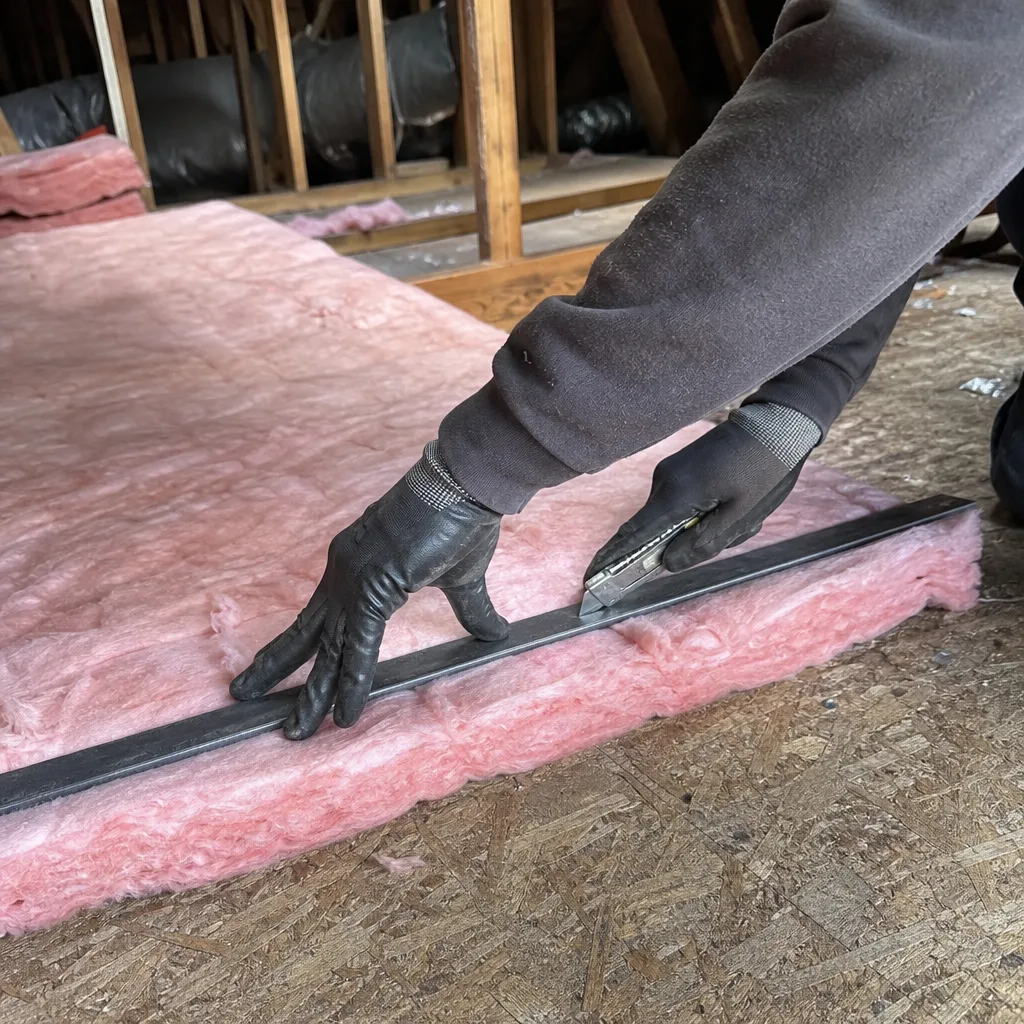
Cleaning is the ideal time to air seal. Once the attic floor is exposed, we can see the top plates, wire penetrations, and plumbing chases where canyon wind forces dust and heat into the home. Sealing these gaps before installing new insulation doubles the performance of whatever material we put down. For San Joaquin Hills homes, we treat cleaning and air sealing as one integrated job, not two separate services.
What happens when you call
- 1
A real person answersNo phone trees — you reach a local pro.
- 2
You get an upfront price rangeHonest numbers before anyone is dispatched.
- 3
A background-checked tech heads outLicensed & insured, dispatched right away.
- 4
You approve before work beginsNothing starts until you say go.
Trusted Brands We Service in San Joaquin Hills
Because we are authorized to install products from Johns Manville, Knauf, Rockwool, and CertainTeed, you are not locked into whatever brand a single-line contractor happens to carry. We stock Rockwool mineral wool for San Joaquin Hills customers who want enhanced fire resistance, which is a genuine concern for hillside homes near open space. We also carry CertainTeed and Johns Manville fiberglass for standard attic replacements. Knauf batts are a frequent choice for garage attic spaces and areas where budget matters more than premium performance. Parts and materials arrive from our local supply chain quickly, which means most San Joaquin Hills jobs are completed within a day.
Common Attic Insulation Problems We See in San Joaquin Hills Homes
- Wind-driven dust and heat in ridge-line attics: The afternoon winds along the canyon ridges push dust through roof vents and into attic spaces. Homes in Crystal Cove and along Newport Coast Drive accumulate a layer of fine dust that degrades insulation R-value faster than age alone.
- Blocked soffit vents in vaulted Mediterranean ceilings: Custom homes from the 1990s and 2000s were often built with vaulted ceilings that leave no room for proper baffles. Insulation gets stuffed into the eave space, blocks airflow, and traps moisture from the marine layer, leading to mildew growth.
- Overlooked detached garage attics: Many San Joaquin Hills estates have detached garages with unfinished attic spaces. These attics are almost never insulated to the same standard as the main house, and the thermal bridging through the garage walls and roof undermines whole-home efficiency.
- Compressed original fiberglass batts: In older Crystal Cove properties, the original Owens Corning batts installed in the 1990s have compressed and shifted. Gaps along the ridge line let heat pour into the attic in summer and let conditioned air escape in winter. Adding insulation on top of compressed batts does not fix the problem, the old material has to come out first.
Pricing for Attic Insulation in San Joaquin Hills, CA
You can expect a full attic insulation replacement in San Joaquin Hills to run between $1,800 and $4,600 for a typical 2,000 to 3,000-square-foot home. Attic insulation top-ups, where existing material is still serviceable, run $900 to $1,800. Radiant barrier installation falls between $1,500 and $3,200, and attic cleaning services cost $350 to $750. Factors that move the price include attic size, roofline complexity, access difficulty, the condition of existing insulation, and whether air sealing is part of the scope. Homes with vaulted ceilings, multiple dormers, or steep rooflines land at the higher end. We provide free estimates with a written scope of work, so you know exactly what you are paying for before we start. Call (877) 352-4780 to schedule a walkthrough.
Why Canyon-Ridge Winds Change the Insulation Equation in San Joaquin Hills
In Crystal Cove, many original attic batt installations have settled or compressed unevenly because of the canyon-ridge afternoon winds that drive heat and dust through roof vents. This is not a problem you will find mentioned on a generic insulation site, but it is the single most common issue we correct in this specific neighborhood. The wind does two things: it pushes hot air into the attic through ridge and gable vents, and it carries fine dust from the open space and canyon slopes. That dust settles into the batt material, fills the air pockets that give insulation its R-value, and compresses the batts over time. The result is an attic that looks insulated but performs like it is not. The fix is not simply adding more insulation on top. We remove the compromised material, air seal the top plates and penetrations, and then install new material that is appropriate for the structure. This applies directly to homes in the 92657 ZIP code along Ridgeline Drive and the surrounding ridges.
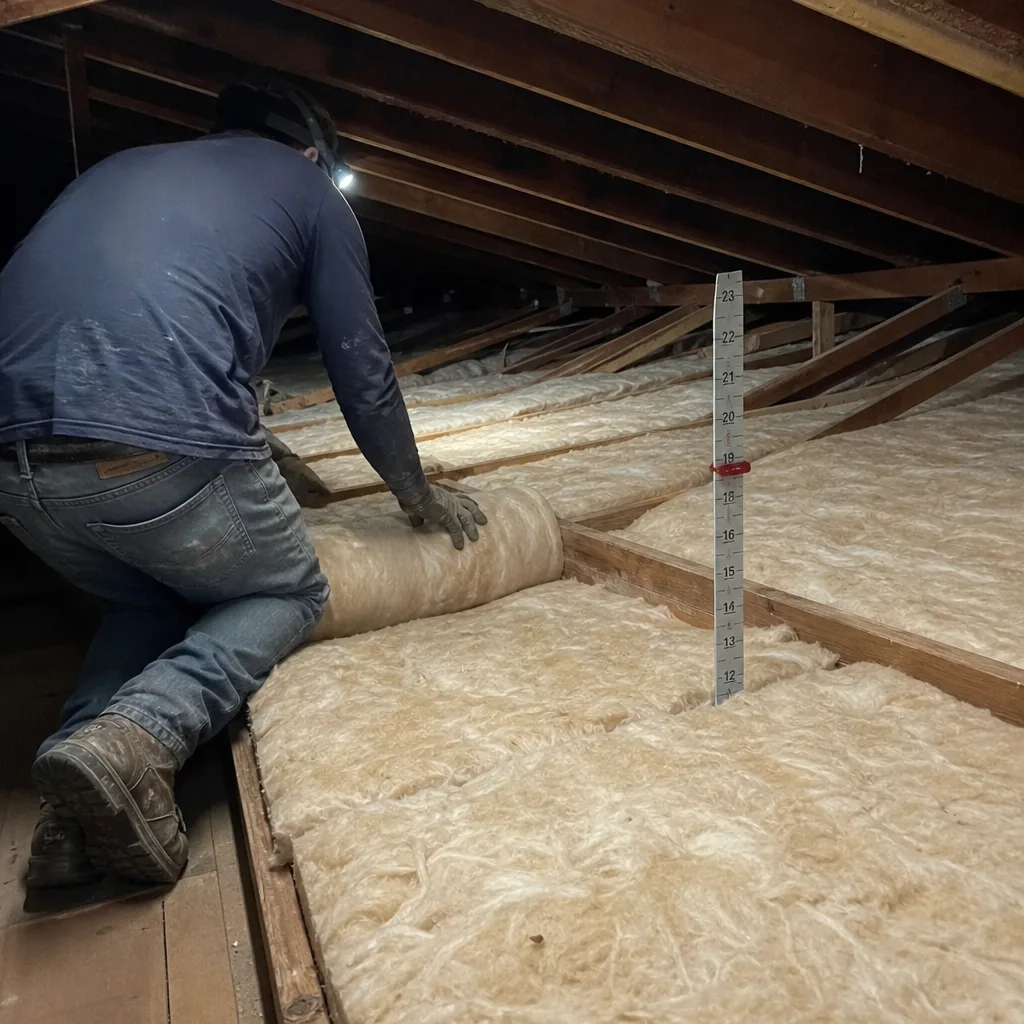
We recently re-insulated an attic in a Crystal Cove home where the original Owens Corning batts had shifted, leaving gaps along the ridge vents that pulled in dust from the canyon winds. After air-sealing the top plates and baffles, we installed Rockwool batts to maintain fire resistance and thermal performance without blocking passive ventilation. The homeowner reported noticeably quieter attic space and reduced dust infiltration within a week. That is the difference between treating the symptom and treating the cause.
How the Marine Layer Shapes Insulation Choices in San Joaquin Hills
The marine layer rolls into San Joaquin Hills in the evening, dropping humidity into attic spaces that are already warm from a day of sun exposure. This daily cycle of heating and cooling creates condensation risk, especially in attics without proper ventilation. Homes along the upper reaches of San Joaquin Hills, closer to the open canyon, get less marine layer but more wind. Homes lower on the slopes, in neighborhoods like Crystal Cove, get more humidity and less wind. The insulation that works in one zone of San Joaquin Hills is not automatically right for another. That is why we check attic ventilation, existing baffles, and the condition of the roof deck before recommending any material.
Crystal Cove HOA Rules and Attic Insulation Upgrades
If you live in a Crystal Cove HOA property in San Joaquin Hills, you already know that exterior changes require approval, and that architectural compatibility is enforced strictly. Attic insulation work is interior, which means it usually falls outside the architectural review process. But if the work involves adding roof vents, changing the roofline, or installing a radiant barrier that is visible from the ridge, the HOA may want to review the scope. We are familiar with the Crystal Cove Community Association’s general requirements and can provide the documentation your HOA asks for, including product specifications for fire rating and reflective surface appearance. Our recommendation is always to confirm with your specific HOA before scheduling, but we have done enough work in Crystal Cove to know what passes review and what stalls.
Signs Your San Joaquin Hills Attic Insulation Needs Attention
Older Crystal Cove homes and mid-1990s custom builds throughout San Joaquin Hills often show specific warning signs that original insulation has failed. Rooms that face the sun run five to eight degrees warmer than interior rooms. Dust appears on surfaces within days of cleaning. The upstairs AC runs constantly from mid-afternoon onward. The attic smells musty in the morning after the marine layer clears. Any one of these is a reason to look closer. The wind-driven dust problem in this part of Orange County accelerates insulation degradation faster than age alone, and homes built before 2000 were insulated to lower standards than today’s building codes require. If you see any of these signs, do not wait for the next heat wave to confirm them. Give us a call at (877) 352-4780 and we will inspect your attic and tell you honestly what is going on up there.
We Also Serve Cities Near San Joaquin Hills
Beyond Attic Insulation in San Joaquin Hills, our crews work regularly in Aliso Viejo, Newport Beach, Laguna Beach, and Irvine. If you live on the border of San Joaquin Hills and Newport Coast, or in a canyon-adjacent home in Irvine, the same crew that knows these hills is available for your project. Call (877) 352-4780 to schedule a free estimate anywhere in the coastal Orange County area.
Serving San Joaquin Hills, CA — Our Local Coverage Area
We’re based in the San Joaquin Hills area and know this community well. Use the map below to see our service coverage — if you’re nearby, we can almost certainly help.
FAQs About Attic Insulation in San Joaquin Hills
Homes along the canyon ridges in San Joaquin Hills deal with strong afternoon winds that push heat and dust through roof vents, which compresses insulation and creates thermal gaps that do not occur in flatland neighborhoods. The insulation approach has to account for this wind load, which means air sealing is as important as the insulation itself. Call (877) 352-4780 for an inspection if your home sits on a ridge line.
The marine layer brings evening humidity that can condense inside attics with poor ventilation, especially in lower-elevation areas like Crystal Cove. Insulation with good moisture resistance, or insulation paired with proper baffles and venting, is the right call for most San Joaquin Hills homes.
Most attic insulation work is interior and does not require HOA approval, but changes involving roof vents, visible radiant barrier, or any exterior modification should be cleared with the Crystal Cove Community Association first. We provide the product documentation HOAs typically request, including fire ratings and reflective surface specs.
Dust accumulating quickly on indoor surfaces, rooms that run warmer than the rest of the house, a musty attic smell in the morning, and nonstop AC cycling in the afternoon are all signs original insulation has failed. These homes were built before current insulation standards, and the canyon winds have been working against them for decades.
Yes. Radiant barrier is especially effective here because of the intense sun exposure on hillside rooflines. In most San Joaquin Hills custom homes, radiant barrier installation reduces attic temperatures significantly, which lowers the cooling load on your HVAC system during the long warm season.
Call Nate Calloway for Attic Insulation in San Joaquin Hills
We know this community, these hills, and the specific problems the terrain creates for attics. Nate Calloway and the crew at Aliso Viejo Insulation Co are ready to walk your attic, explain what we see, and give you a written recommendation without pressure or upselling. Eight manufacturer brands, one objective recommendation. Call (877) 352-4780 today for a free estimate in San Joaquin Hills.
Written by Nate Calloway, Owner at Aliso Viejo Insulation Co, serving San Joaquin Hills and coastal Orange County.